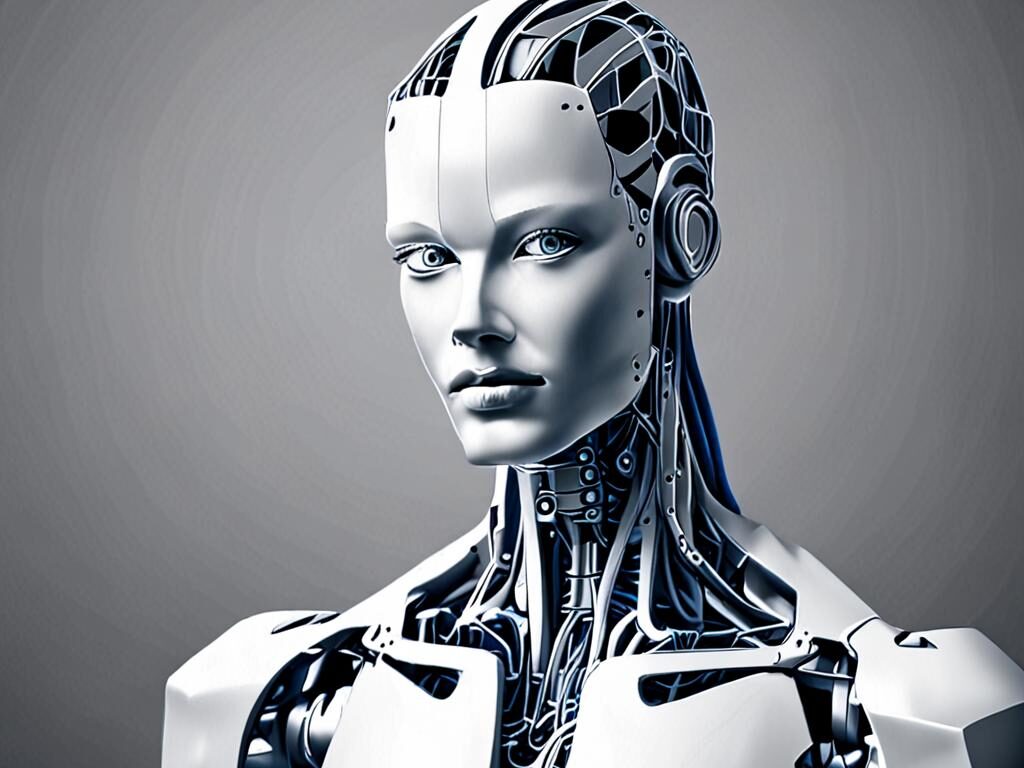



Introduction to Latest Technology Trends
The world of technology is constantly evolving, with new trends and developments emerging every week. From artificial intelligence and machine learning to the Internet of Things (IoT) and cloud computing, there are numerous technologies that are changing the way we live and work. In this article, we will explore some of the latest trends and developments in technology, and how they are impacting various industries and aspects of our lives.
The rapid pace of technological change is driven by the increasing demand for faster, more efficient, and more convenient solutions to everyday problems. As a result, companies and individuals are investing heavily in research and development, leading to the creation of new technologies and innovations that are transforming the way we live and work.
One of the key drivers of technological change is the increasing use of data and analytics. With the vast amounts of data being generated every day, companies are looking for ways to harness this data to gain insights and make better decisions. This has led to the development of new technologies such as machine learning and artificial intelligence, which are being used to analyze and interpret large datasets.
Artificial Intelligence and Machine Learning
Artificial intelligence (AI) and machine learning (ML) are two of the most significant technologies of our time. AI refers to the development of computer systems that can perform tasks that typically require human intelligence, such as visual perception, speech recognition, and decision-making. ML, on the other hand, is a subset of AI that involves the use of algorithms and statistical models to enable machines to learn from data and improve their performance over time.
AI and ML are being used in a wide range of applications, from virtual assistants like Siri and Alexa to self-driving cars and personalized product recommendations. They are also being used in healthcare to analyze medical images, diagnose diseases, and develop personalized treatment plans.
For example, AI-powered chatbots are being used by companies to provide customer support and answer frequently asked questions. These chatbots can understand natural language and respond accordingly, providing a more personalized and efficient experience for customers.
Examples of AI and ML in Action
- Virtual assistants: Siri, Alexa, Google Assistant
- Self-driving cars: Waymo, Tesla, Uber
- Personalized product recommendations: Netflix, Amazon, Spotify
- Medical diagnosis: IBM Watson, Google DeepMind
- Chatbots: Facebook Messenger, WhatsApp, Slack
Internet of Things (IoT) and Smart Devices
The Internet of Things (IoT) refers to the network of physical devices, vehicles, home appliances, and other items that are embedded with sensors, software, and connectivity, allowing them to collect and exchange data. IoT devices are becoming increasingly popular, with applications in smart homes, cities, and industries.
Smart devices, such as smart thermostats, smart lights, and smart security cameras, are making our lives more convenient and efficient. They can be controlled remotely using smartphones or voice assistants, and can also learn our habits and preferences to optimize their performance.
For example, smart home devices can be integrated with each other to create a seamless and automated experience. For instance, a smart thermostat can be programmed to adjust the temperature based on the time of day and the occupants’ preferences.
Examples of IoT and Smart Devices
- Smart thermostats: Nest, Ecobee
- Smart lights: Philips Hue, LIFX
- Smart security cameras: Ring, Nest Cam
- Smart home hubs: Samsung SmartThings, Apple HomeKit
- Wearables: Fitbit, Apple Watch, Garmin
Cloud Computing and Cybersecurity
Cloud computing refers to the delivery of computing services over the internet, where resources such as servers, storage, and applications are provided as a service to users. Cloud computing has become a crucial technology for businesses and individuals, as it provides scalability, flexibility, and cost savings.
However, cloud computing also raises concerns about cybersecurity, as sensitive data is stored and transmitted over the internet. Cybersecurity threats, such as hacking, phishing, and ransomware, are becoming increasingly common, and can have devastating consequences for individuals and organizations.
To mitigate these risks, companies are investing in cloud security solutions, such as encryption, firewalls, and access controls. Individuals can also take steps to protect themselves, such as using strong passwords, enabling two-factor authentication, and keeping their software up to date.
Examples of Cloud Computing and Cybersecurity
- Cloud storage: Google Drive, Dropbox, iCloud
- Cloud security: Norton, McAfee, Kaspersky
- Cloud-based applications: Microsoft Office 365, Google Workspace
- Cybersecurity threats: ransomware, phishing, SQL injection
- Cloud security solutions: encryption, firewalls, access controls
5G Networks and Quantum Computing
5G networks are the next generation of wireless networks, providing faster data speeds, lower latency, and greater connectivity. 5G networks are expected to enable a wide range of applications, from enhanced mobile broadband to massive machine-type communications and ultra-reliable low-latency communications.
Quantum computing, on the other hand, is a new paradigm for computing that uses the principles of quantum mechanics to perform calculations. Quantum computers have the potential to solve complex problems that are currently unsolvable with classical computers, and could have significant implications for fields such as cryptography, optimization, and simulation.
For example, quantum computers can be used to simulate complex systems, such as molecules and materials, which could lead to breakthroughs in fields such as medicine and energy. They can also be used to optimize complex systems, such as logistics and supply chains, which could lead to significant cost savings and efficiency gains.
Examples of 5G Networks and Quantum Computing
- 5G network providers: Verizon, AT&T, T-Mobile
- Quantum computing companies: IBM, Google, Microsoft
- Quantum computing applications: cryptography, optimization, simulation
- 5G-enabled devices: smartphones, laptops, smart home devices
- Quantum computing hardware: quantum processors, quantum gates
Comparison of Emerging Technologies
The emerging technologies discussed in this article, including AI, IoT, cloud computing, 5G networks, and quantum computing, are all interconnected and interdependent. They are driving innovation and transformation across various industries and aspects of our lives.
For example, AI and ML are being used to analyze data from IoT devices, which are connected to 5G networks. This is enabling new applications and services, such as smart cities and smart homes, which are being powered by cloud computing and quantum computing.
The comparison of these emerging technologies highlights their potential to drive significant economic and social benefits. However, it also highlights the need for careful consideration of the risks and challenges associated with these technologies, such as cybersecurity threats and job displacement.
FAQ: Understanding the Latest Technology Trends
Here are some frequently asked questions about the latest technology trends:
- Q: What is artificial intelligence?
- A: Artificial intelligence refers to the development of computer systems that can perform tasks that typically require human intelligence.
- Q: What is the Internet of Things?
- A: The Internet of Things refers to the network of physical devices, vehicles, home appliances, and other items that are embedded with sensors, software, and connectivity.
- Q: What is cloud computing?
- A: Cloud computing refers to the delivery of computing services over the internet, where resources such as servers, storage, and applications are provided as a service to users.
- Q: What is 5G?
- A: 5G is the next generation of wireless networks, providing faster data speeds, lower latency, and greater connectivity.
- Q: What is quantum computing?
- A: Quantum computing is a new paradigm for computing that uses the principles of quantum mechanics to perform calculations.
Conclusion: The Future of Technology
In conclusion, the latest technology trends are transforming various aspects of our lives, from the way we communicate and work to the way we live and entertain ourselves. As technology continues to evolve, we can expect to see even more innovative applications and services that will shape the future of humanity.
The future of technology holds much promise, but it also poses significant challenges and risks. To mitigate these risks, it is essential to invest in education and training, to develop the skills and knowledge needed to work with emerging technologies.
Furthermore, it is essential to prioritize ethics and responsibility in the development and deployment of emerging technologies. This includes ensuring that these technologies are designed and used in ways that are transparent, accountable, and fair, and that they do not exacerbate existing social and economic inequalities.
Ultimately, the future of technology will be shaped by the choices we make today. By investing in education, prioritizing ethics and responsibility, and working together to address the challenges and risks associated with emerging technologies, we can create a brighter future for all.