


Introduction to Space Robotics
The robot NASA hired to lift a orbital telescope tumbled out – Key Developments
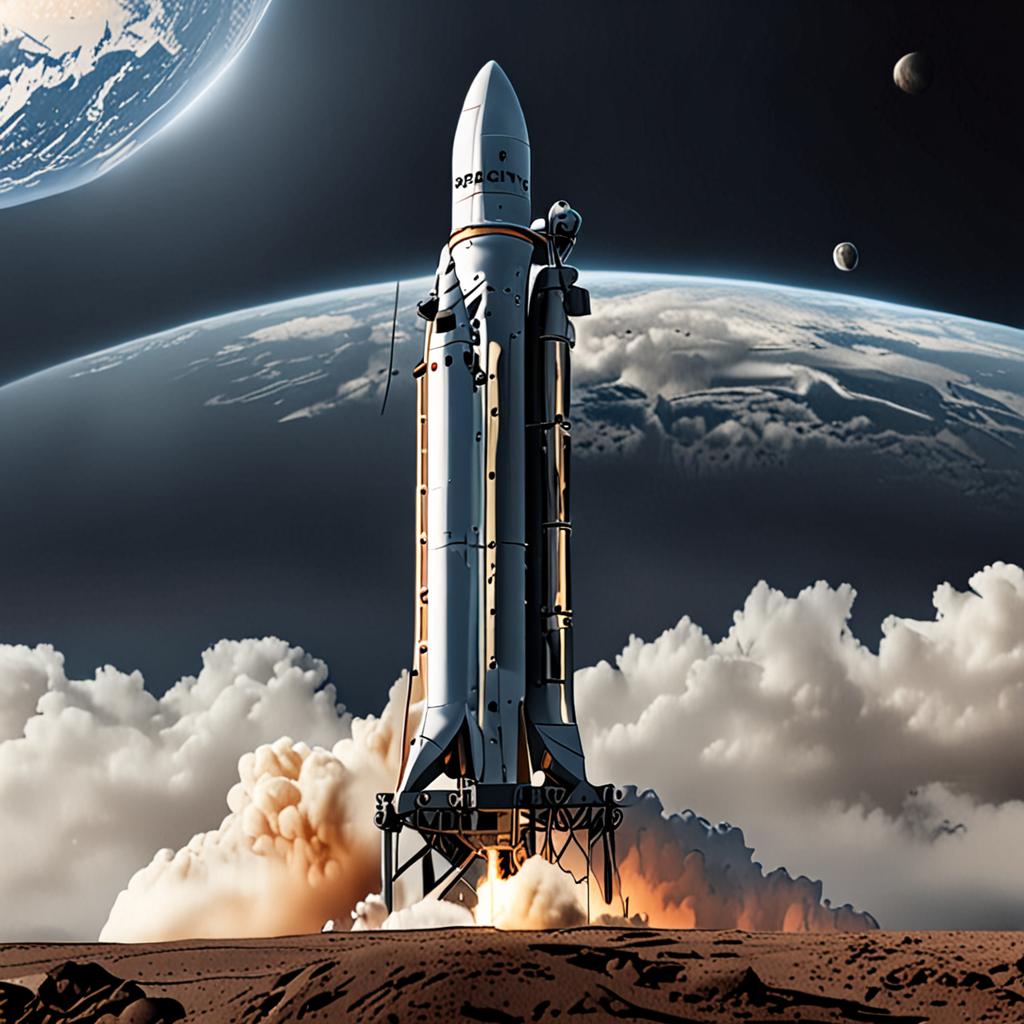
Space agencies around the world are increasingly relying on robots to perform critical tasks in space. From the International Space Station to Mars rovers, robots have proven to be invaluable in space exploration. Recently, a robot hired by NASA to lift an orbital telescope tumbled out of control, highlighting the risks and challenges associated with space robotics. The incident has sparked a debate about the reliability of space robots and the potential risks to human spaceflight. As space agencies continue to push the boundaries of space exploration, the use of robots will become even more crucial.
The Orbital Telescope Mission
The orbital telescope, designed to study the universe in unprecedented detail, was launched into space with great fanfare. The telescope was equipped with state-of-the-art instruments, including a high-resolution camera and a spectrograph. However, the mission took a dramatic turn when the robot hired to lift the telescope malfunctioned, leaving the spacecraft tumbling out of control. The incident has raised concerns about the reliability of space robots and the potential risks to human spaceflight. The telescope was designed to study the formation of galaxies, stars, and planets, and its failure has dealt a significant blow to the scientific community.
Robotics in Space Exploration
Robots have been used in space exploration for decades, from the Soviet Union’s Luna program to NASA’s Mars Curiosity Rover. These robots have been designed to perform a variety of tasks, including sampling, drilling, and navigation. The Mars Curiosity Rover, for example, has been exploring the Martian surface since 2012, discovering evidence of ancient lakes and rivers. The rover is equipped with a suite of instruments, including a rock analyzer and a weather station. However, as robots become more complex and autonomous, the risks of malfunction and failure increase. Space agencies must carefully consider the design and testing of robots to ensure their safe and reliable operation.
Challenges and Risks
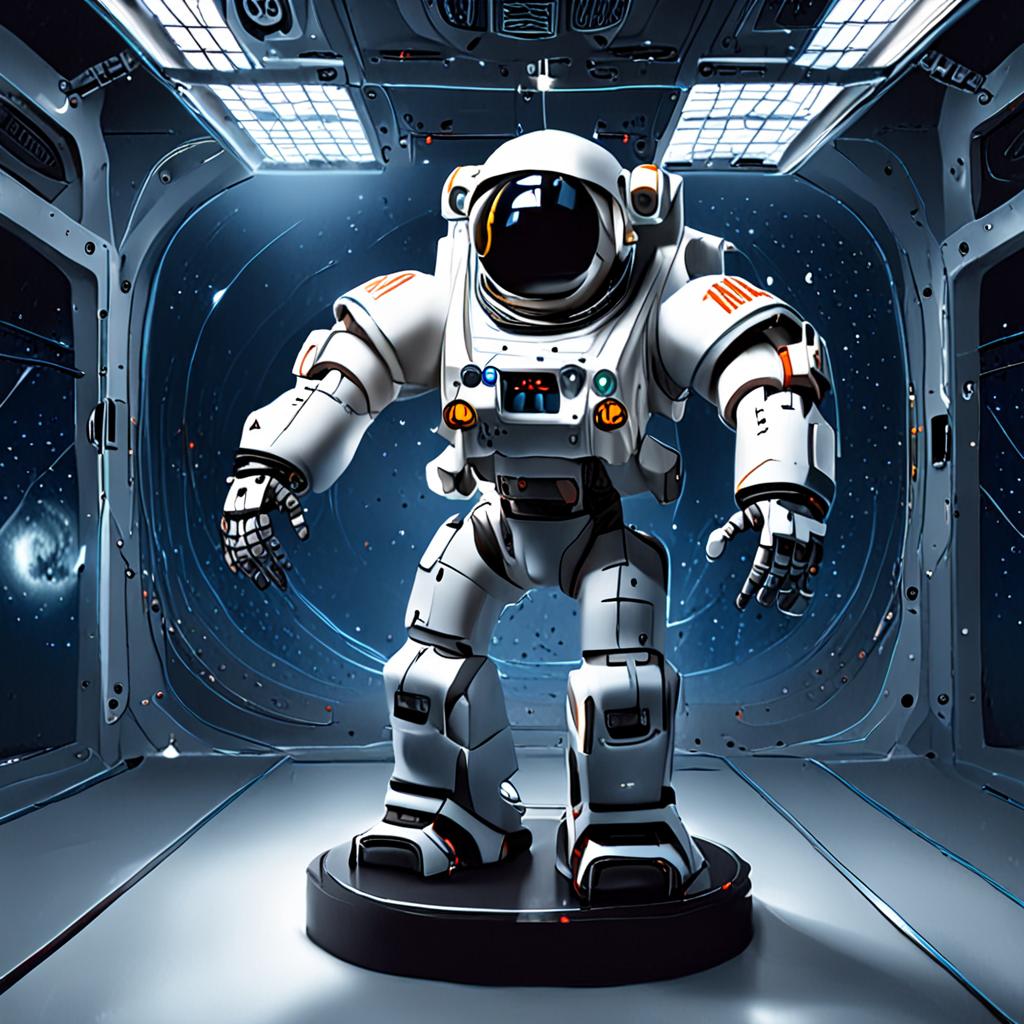
Space robots face a unique set of challenges, including extreme temperatures, radiation, and communication delays. These challenges can cause malfunctions and failures, which can have serious consequences for space missions. For example, the extreme temperatures on Mars can cause electronic components to fail, while the radiation in space can damage computer systems. Furthermore, the use of robots in space raises ethical concerns, such as the potential for robots to cause harm to humans or the environment. Space agencies must carefully consider these risks and develop strategies to mitigate them.
Examples of Space Robot Failures
There have been several examples of space robot failures over the years. The Mars Climate Orbiter, for example, failed to enter Mars’ orbit due to a navigation error. The orbiter was designed to study the Martian climate, but it disappeared into space due to a faulty navigation system. The Hubble Space Telescope, on the other hand, was launched with a flawed primary mirror, which affected its ability to focus on distant objects. The telescope was later repaired by a space shuttle crew, but the incident highlighted the risks of launching complex systems into space. The Phoenix lander, which was designed to search for water on Mars, failed to communicate with Earth due to a software glitch. The lander was equipped with a suite of instruments, including a robotic arm and a weather station, but it was unable to transmit data back to Earth.
- The Mars Climate Orbiter, which failed to enter Mars’ orbit due to a navigation error
- The Hubble Space Telescope, which was launched with a flawed primary mirror
- The Phoenix lander, which failed to communicate with Earth due to a software glitch
- The Spirit and Opportunity rovers, which were designed to explore the Martian surface but experienced technical difficulties
- The Kepler space telescope, which was designed to search for exoplanets but experienced a technical failure that affected its ability to collect data
FAQ

Q: What is the purpose of space robots?
A: Space robots are designed to perform tasks that are difficult or impossible for humans to do, such as sampling, drilling, and navigation. They are also used to support human spaceflight, such as by providing life support systems and navigation.
Q: What are the risks associated with space robots?
A: Space robots face a unique set of challenges, including extreme temperatures, radiation, and communication delays, which can cause malfunctions and failures. Furthermore, the use of robots in space raises ethical concerns, such as the potential for robots to cause harm to humans or the environment.
Q: Can space robots be used for human spaceflight?
A: Yes, space robots can be used to support human spaceflight, such as by providing life support systems and navigation. They can also be used to perform tasks that are difficult or impossible for humans to do, such as sampling and drilling.
Q: What are the benefits of using space robots?
A: The benefits of using space robots include the ability to perform tasks that are difficult or impossible for humans to do, the reduction of risk to human life, and the increase in the efficiency and effectiveness of space missions.
Conclusion
In conclusion, the failure of the robot hired by NASA to lift an orbital telescope highlights the risks and challenges associated with space robotics. While robots have proven to be invaluable in space exploration, their use also raises ethical concerns and technical challenges. As space agencies continue to rely on robots to perform critical tasks in space, it is essential to address these challenges and ensure the safe and reliable operation of space robots. The development of more advanced and autonomous robots will be crucial to the success of future space missions, and space agencies must invest in the research and development of these systems. By doing so, we can ensure that space exploration continues to push the boundaries of human knowledge and understanding.
The robot NASA hired to lift a orbital telescope tumbled out continues to shape current developments and practical decisions in this space.
The robot NASA hired to lift a orbital telescope tumbled out remains a major consideration for teams planning near-term execution.
The robot NASA hired to lift a orbital telescope tumbled out remains a major consideration for teams planning near-term execution.
The robot NASA hired to lift a orbital telescope tumbled out remains a major consideration for teams planning near-term execution.
The robot NASA hired to lift a orbital telescope tumbled out remains a major consideration for teams planning near-term execution.
The robot NASA hired to lift a orbital telescope tumbled out remains a major consideration for teams planning near-term execution.
The robot NASA hired to lift a orbital telescope tumbled out remains a major consideration for teams planning near-term execution.
The robot NASA hired to lift a orbital telescope tumbled out remains a major consideration for teams planning near-term execution.
For broader context, review external background resources about this topic.
Read more on our site in the Space category archive.