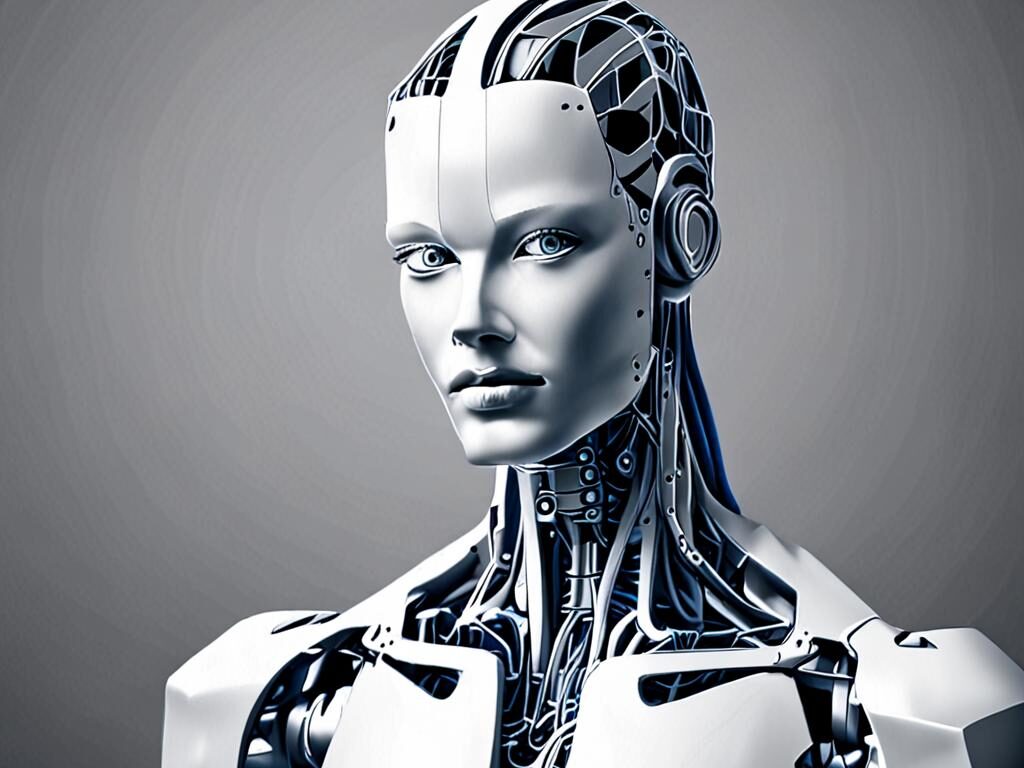



Introduction to AI Technology

Artificial intelligence (AI) has been a buzzword in the technology industry for several years now. From virtual assistants to self-driving cars, AI has been transforming the way we live and work. In recent years, there have been significant advances in AI research, leading to the development of more sophisticated and powerful AI systems. The integration of AI into various industries has improved efficiency, productivity, and decision-making. For instance, AI-powered chatbots are being used in customer service to provide 24/7 support, while AI-driven analytics are helping businesses make data-driven decisions.
The latest trend in AI is the development of software platforms for AI gadgets. Companies like Era are raising millions of dollars to build these platforms, which will enable the creation of more advanced and intelligent devices. This trend is expected to continue in the coming years, with more companies investing in AI research and development. As a result, we can expect to see more innovative AI-powered products and services that will revolutionize the way we live and work. For example, AI-powered smart homes will be able to learn and adapt to a person’s preferences and behavior, making their lives more convenient and comfortable.
Recent Advances in AI Research

There have been several recent advances in AI research, including the development of more advanced machine learning algorithms and the creation of more sophisticated natural language processing systems. These advances have enabled the development of more powerful and intelligent AI systems, which are being used in a variety of applications. One of the most significant advances in AI research is the development of OpenAI’s GPT-5.5, which is a more advanced version of the company’s language model. This model is capable of generating human-like text and is being used in a variety of applications, including chatbots and virtual assistants.
Another significant advance in AI research is the development of deep learning algorithms, which are capable of learning complex patterns in data. These algorithms are being used in a variety of applications, including image recognition, speech recognition, and natural language processing. For example, AI-powered image recognition systems are being used in healthcare to diagnose diseases, while AI-powered speech recognition systems are being used in virtual assistants to improve their ability to understand and respond to voice commands.
Applications of AI in Various Industries
AI is being used in a variety of industries, including healthcare, finance, and transportation. In healthcare, AI is being used to analyze medical images and diagnose diseases. For example, AI-powered computer vision systems are being used to detect cancer in medical images, while AI-powered natural language processing systems are being used to analyze medical texts and identify potential health risks. In finance, AI is being used to detect fraud and predict stock prices. For instance, AI-powered machine learning algorithms are being used to detect anomalies in financial transactions, while AI-powered predictive analytics are being used to forecast stock prices and optimize investment portfolios.
AI is also being used in the development of smart homes and cities. For example, AI-powered smart thermostats can learn a person’s temperature preferences and adjust the temperature accordingly. AI-powered smart traffic management systems can optimize traffic flow and reduce congestion. Additionally, AI-powered smart energy management systems can optimize energy consumption and reduce waste. These applications of AI are not only improving the quality of life but also reducing costs and increasing efficiency.
Challenges and Limitations of AI
Despite the many advances in AI research, there are still several challenges and limitations to the technology. One of the biggest challenges is the lack of transparency and explainability in AI decision-making. This can make it difficult to understand why an AI system made a particular decision, which can be a problem in applications where transparency is important. For example, in healthcare, it is crucial to understand why an AI system diagnosed a patient with a particular disease, so that doctors can make informed decisions about treatment.
Another challenge is the potential for bias in AI systems. If an AI system is trained on biased data, it can learn to perpetuate those biases, which can be a problem in applications where fairness and equity are important. For instance, if an AI system is trained on data that is biased against a particular group of people, it may make decisions that are unfair or discriminatory. To address these challenges, researchers are working on developing more transparent and explainable AI systems, as well as techniques for detecting and mitigating bias in AI systems.
Future of AI: Emerging Trends and Predictions
There are several emerging trends and predictions in the field of AI. One of the most significant trends is the development of more advanced and sophisticated AI systems, which will be capable of performing more complex tasks and making more nuanced decisions. For example, AI-powered robots are being developed to perform tasks that require human-like dexterity and agility, such as assembly and manufacturing. Another trend is the increasing use of AI in edge devices, such as smartphones and smart home devices. This will enable the development of more personalized and context-aware AI applications, which will be able to learn and adapt to a person’s preferences and behavior.
Another trend is the development of more specialized AI systems, which will be designed to perform specific tasks or solve specific problems. For example, AI-powered systems are being developed to detect and respond to cyber threats, while AI-powered systems are being developed to optimize supply chain management and logistics. These specialized AI systems will be able to learn and adapt to changing conditions and make decisions in real-time, which will improve their effectiveness and efficiency.
FAQs: Frequently Asked Questions about AI
- Q: What is AI?
A: AI stands for artificial intelligence, which refers to the development of computer systems that can perform tasks that typically require human intelligence, such as learning, problem-solving, and decision-making. - Q: What are the applications of AI?
A: AI is being used in a variety of applications, including healthcare, finance, transportation, and smart homes and cities. - Q: What are the challenges and limitations of AI?
A: The challenges and limitations of AI include the lack of transparency and explainability in AI decision-making, the potential for bias in AI systems, and the need for more advanced and sophisticated AI systems. - Q: How is AI being used in healthcare?
A: AI is being used in healthcare to analyze medical images and diagnose diseases, as well as to develop personalized treatment plans and optimize patient outcomes. - Q: How is AI being used in finance?
A: AI is being used in finance to detect fraud and predict stock prices, as well as to optimize investment portfolios and improve risk management.
Conclusion: The Future of AI and Its Impact
In conclusion, AI is a rapidly evolving field that is transforming the way we live and work. From virtual assistants to self-driving cars, AI is being used in a variety of applications, and its impact is being felt across many industries. While there are still several challenges and limitations to the technology, the future of AI looks bright, with many emerging trends and predictions on the horizon. As AI continues to advance and improve, we can expect to see more innovative AI-powered products and services that will revolutionize the way we live and work.
The potential impact of AI on society is significant, and it is essential to consider the ethical implications of AI development and deployment. For example, AI-powered systems must be designed to ensure fairness, transparency, and accountability, and to prevent bias and discrimination. Additionally, AI-powered systems must be designed to protect user privacy and security, and to prevent cyber threats and attacks.
Overall, the future of AI is exciting and full of possibilities. As AI continues to evolve and improve, we can expect to see more innovative AI-powered products and services that will transform the way we live and work. However, it is essential to consider the challenges and limitations of AI, as well as the ethical implications of AI development and deployment, to ensure that AI is developed and used in a responsible and beneficial way.